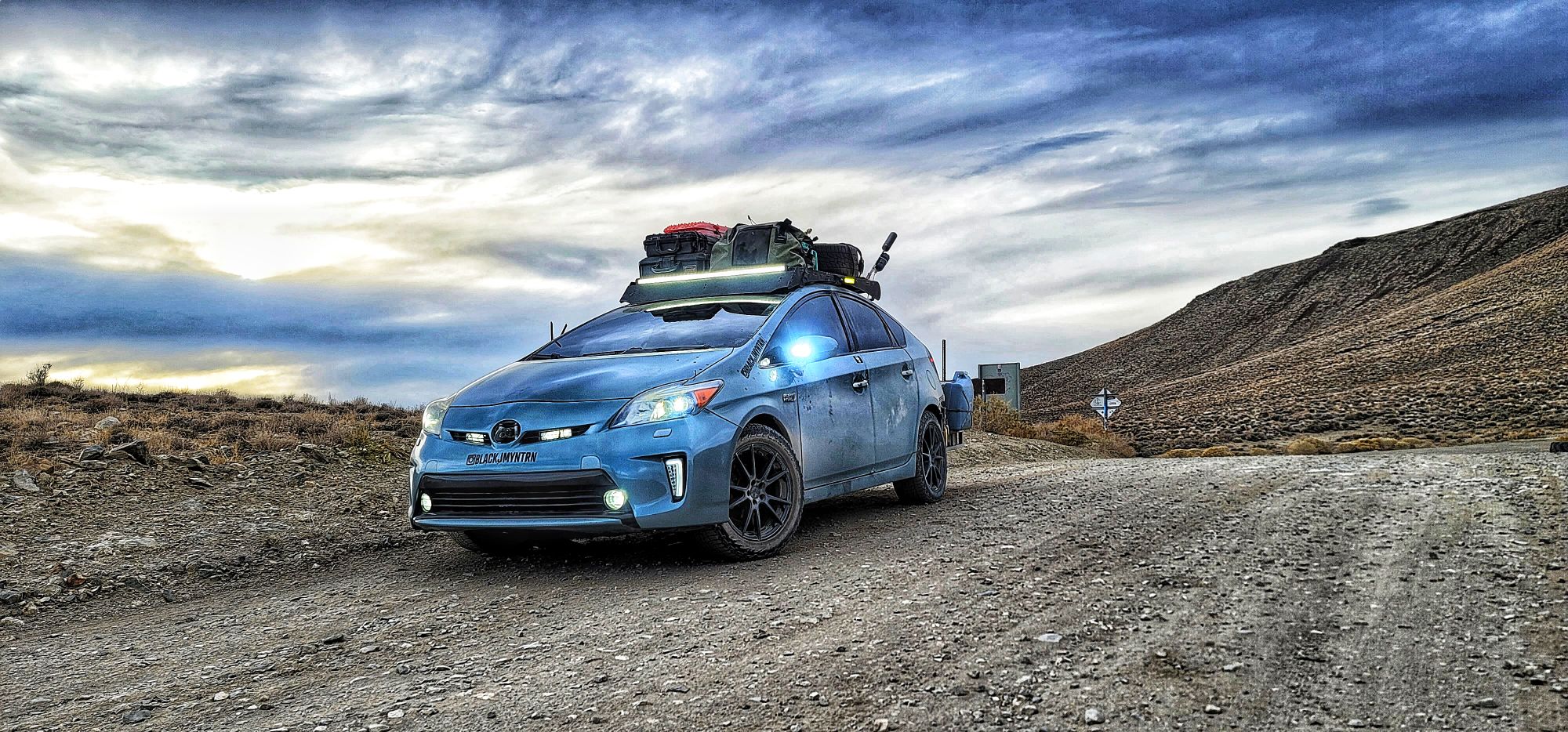
Prius do not buy choosing decisions get a lot harder when cheap plastic lift kits flood the market making bold promises they cannot deliver. I’m Duwayne McClendon, The Black Jimmy Neutron, and I design and manufacture suspension components for the Prius at PriusOverlanding.com. I’ve tested these parts in the real world, pushed them until they fail, and I can tell you exactly why plastic lift kits are a dangerous bet for any Prius owner who takes their build seriously.
Why Plastic Lift Kits Fail Under Real Conditions
When you’re weighing your prius do not buy choosing options, the first thing to understand is that plastic deforms under heat and load. The suspension area of any vehicle runs hot. Repeated thermal cycling — heating up and cooling down — causes plastic spacers and risers to warp over time. Once deformation starts, you lose the precise geometry that keeps your Prius tracking straight and wearing tires evenly.
I’ve seen this happen firsthand. What starts as a minor sag becomes a significant alignment problem that chews through tires and eventually causes failures nobody wants to deal with on the highway. The structural integrity of a plastic lift kit is just not sufficient for a component that’s constantly under load from the full weight of the vehicle and its passengers.

The J684 Standard and Why It Matters
SAE J684 is the national towing standard that governs whether a hitch can be trusted under load. The specific tests include vertical tension and compression, longitudinal tension and compression, and transverse thrust. Any component that claims to be engineered for serious use needs to be able to pass these tests. When I evaluate competing products in the prius do not buy choosing space, one of the first things I look for is whether there’s a reinforcement lip around the hitch receiver opening.
That lip is a structural feature — it prevents the receiver entrance from cracking, bending, or developing stress deformities under repeated use. I’ve seen hitches priced at $329 without this feature. I would not pay $99 for a hitch missing this element. The absence of that reinforcement tells you the design prioritized aesthetics or cost reduction over actual engineering integrity.
Steel vs. Plastic: What I Use and Why
Every lift kit and trailer hitch I produce at PriusOverlanding.com uses USA steel. I’ll say this clearly: steel maintains its shape under load and heat. It doesn’t deform the way plastic does. For the Prius platform specifically, I’ve engineered components to correct OEM geometry, which means when you install one of my lift kits, the suspension angles stay within spec and you don’t get premature tire wear or alignment drift.
I also solved the 1.5-inch axle rub problem that plagued early Prius lift attempts, built the first low-profile roof rack for the Prius, and designed an engine splash shield with a cutout for easier oil servicing. These weren’t marketing gimmicks — they were solutions to real problems I encountered while testing. You can see the build documentation on the Black Jimmy Neutron Blog.
The Long-Term Math on Quality
Here’s the honest prius do not buy choosing calculation: a cheap plastic kit that fails in 18 months costs you the kit price plus the alignment, plus the tires, plus the replacement kit. A quality steel kit that lasts the life of your build costs more upfront but costs nothing in downstream damage. Every time I’ve stress-tested a plastic competitor product, I’ve found the breaking point faster than advertised.
One product I tested had a design flaw in the receiver area that I knew from the first inspection would be the failure point. I tested it. It failed exactly where I predicted. That’s not me being harsh — that’s what happens when you build parts that weren’t properly engineered.
Frequently Asked Questions
Are plastic Prius lift kits ever acceptable?
For purely cosmetic, no-load applications where the vehicle never goes off-road and the plastic is simply filling a gap — maybe. But for any Prius used for overlanding, towing, or even aggressive daily driving on rough roads, prius do not buy choosing plastic components is the right call. The heat exposure and mechanical stress will degrade them.
What should I look for in a quality Prius lift kit?
USA steel construction, geometry that matches or corrects OEM specs, and a manufacturer who has actually tested the kit on a real Prius under real conditions. Ask for build documentation. Ask what happens at failure. A good manufacturer has answers to these questions.
Where can I get a steel Prius lift kit?
I build them at PriusOverlanding.com for Gen 2 through Gen 5 Prius models. Contact me directly if you have questions about fitment for your specific year and trim.
Bottom Line
Prius do not buy choosing plastic suspension components is advice I stand behind completely. The heat resistance problems, the geometry issues, the structural failures under load — I’ve documented all of it. Quality USA steel lift kits from PriusOverlanding.com are built to last and engineered to fit. Don’t waste money on cheap plastic parts that will cost you more in the long run.