Introduction
When it comes to exploring the great outdoors, there’s no denying the rugged appeal of a fully capable 4×4 rig parked next to a tent. Many off-road enthusiasts simply prefer the tactile experience of a traditional vehicle, perhaps relying on a diesel heater for warmth during chilly nights. But what if there’s another option that provides both power and convenience? With the rise of PHEVs (Plug-in Hybrid Electric Vehicles), off-roaders are discovering a wealth of innovative features that make camping not just enjoyable but also more efficient.
PHEVs vs. Traditional 4x4s: A Power Comparison
In a traditional 4×4 setup, your adventure might hinge on bulky equipment and fuel for heating and cooking. In contrast, PHEVs provide an innovative solution — imagine being able to run climate control directly from the high voltage batteries, keeping your vehicle ready while you enjoy your outdoor activities. This capability offers you more than just the ability to drive; it gives you a mobile power source ready to provide heating or cooling wherever you go.
Powering Your Essential Equipment
If you’re upgrading your camping approach with a PHEV, think about the capabilities that come from upgrading the battery systems. Say you choose a vehicle like the Toyota Tundra equipped with two or even three BZ4X batteries. Each battery possesses roughly 72 kWh of capacity. In practical terms, that’s a significant amount of energy stored for your next camping adventure, allowing you to power various appliances like an air fryer, projector, or even a portable hot tub.
A Case Study: Comparing Battery Capacities
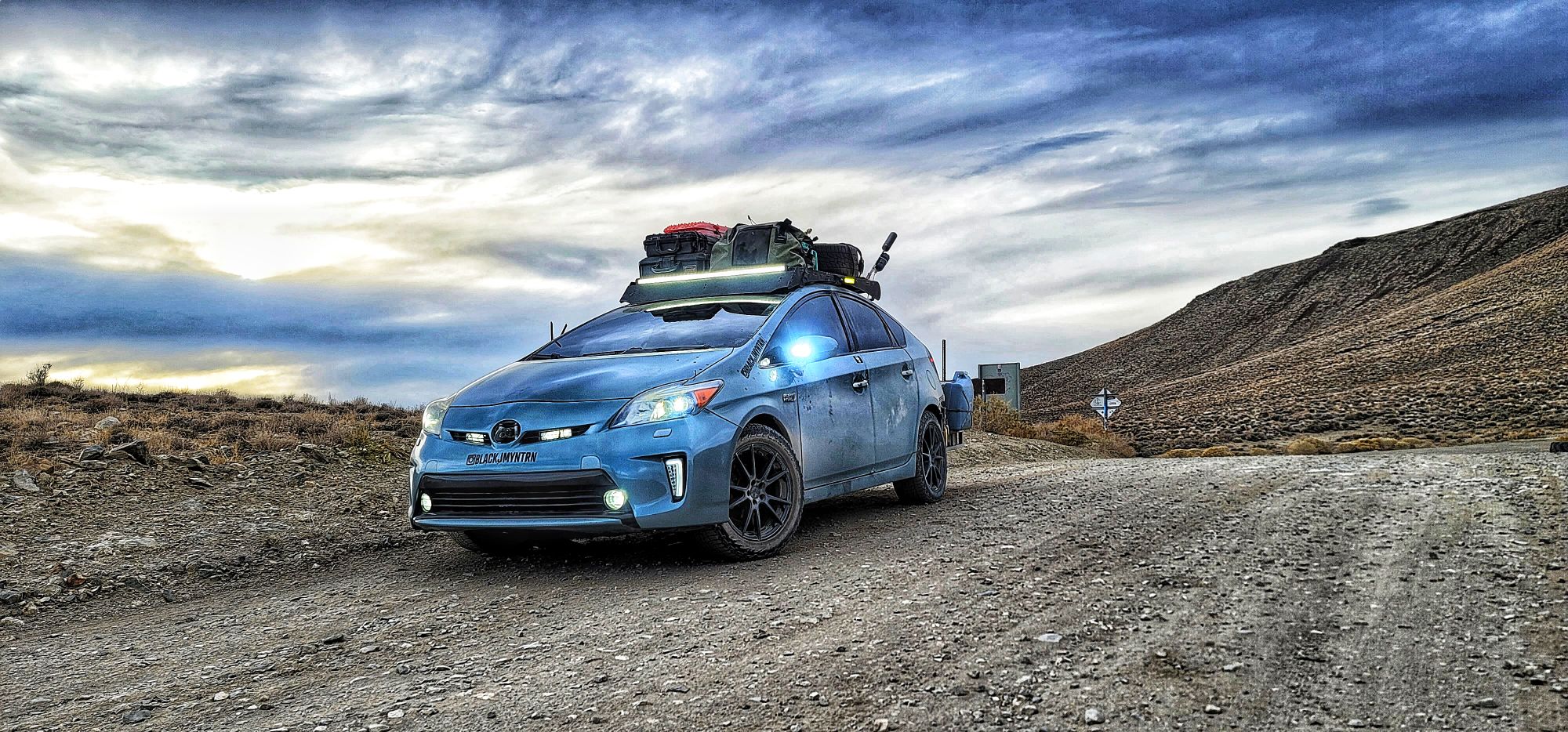
Using the 2013 Prius’s battery as a baseline, which was only around 4.4 kWh, the potential energy output from a Tundra outfitted with updated batteries becomes incredibly appealing. Comparatively, the newer 2023 Prius offers approximately 13.1 kWh of capacity, but three well-placed 72 kWh batteries can give you outputs that exceed 200 kWh! This enormous capacity enables longer camping trips without the necessity of constant fuel management.
Upgrading Older Models for Enhanced Performance
Advancements in technology mean that older models can now support retrofitting with upgraded battery systems, enhancing their capacity significantly beyond what was originally manufactured. Consequently, the potential improvements may mean that a custom PHEV version of your favorite older rig can outperform some of the newer models in terms of energy availability. As more enthusiasts begin to consider these upgrades, the possibilities for off-grid living and off-road enjoyment expand exponentially.
Conclusion
In conclusion, while many would rather stick with the ruggedness of a traditional 4×4, it’s crucial to recognize the transformative advantages of adapting to modern technology with PHEVs, especially in the context of overlanding. Opportunities for upgrading to larger batteries can redefine outdoor experiences, offering unprecedented flexibility and convenience. Imagine the freedom of using your favorite devices and appliances while embracing an environmentally friendly mode of travel.
Have you considered making the switch to a PHEV for your next adventure? What are your thoughts on battery upgrading for maximizing your outdoor experiences? Drop a comment below, and let’s chat!