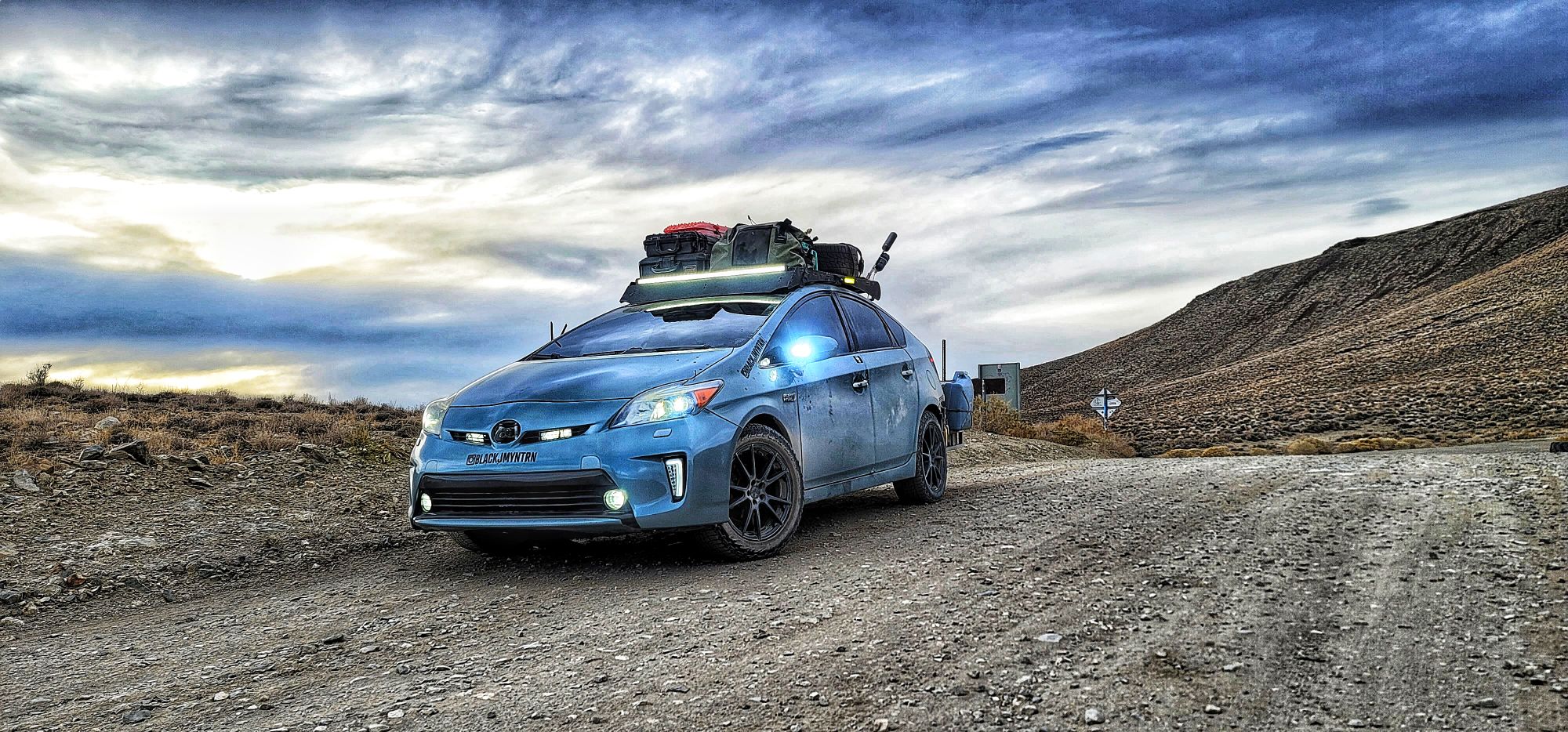
prius buying: Buying used gen 2 prius is honestly a wild ride in 2026—and you don’t want to get burned on things that are actually fixable, or worse, blow your savings on a car that’ll break your heart the moment you drive it home. I’ve helped a bunch of Prius owners make this leap, and the group chats prove two things: condition beats cosmetics, and not all problems are created equal. Let’s get into what truly matters before you throw down for someone’s 15-year-old hybrid.
Every month, another Gen 2 pops up on Facebook groups—usually flanked by a flood of “Is it worth it?” comments. I get why. These cars have an international rep for stretching 45-50 mpg even after 200K miles, but you’ve got to avoid nightmare repairs. Here’s what I check first, what I’ll negotiate, and what makes me run out the door.
Prius Buying: My top checklist when buying used gen 2 prius
Used Prius hunting isn’t about fresh paint—it’s about what’s hiding under the surface. Here’s my routine, and I tell everyone to do the same:
- Hybrid battery health: Scan for warning lights and bring an OBD2 reader if you’re serious. The wrong dash lights (triangle, VSC, etc.) can mean $2,000+ for a new pack or $900 for a pro rebuild. Low-balling? Check companies like NexPower for sodium-ion upgrades.
- ABS and brake actuator: That high-pitched beep or the “Brake” light? If you hear the whine or notice a stiff pedal, you’re staring at a $1,200–$2,000 fix. Some will gamble; I don’t. If your wallet is tight, walk away unless you love wrenching.
- Oil consumption: Just ask if it “uses oil.” If the seller sidesteps, assume a quart disappears every 1,000–1,500 miles—and that’s normal at 200K+ but can mean engine work in your future. Look for blue smoke or a rough idle on cold start.
- Check the 12V battery: These die quietly, causing weird warning lights. If it’s more than three years old and the car’s been sitting, budget for a $150-300 replacement.
- Suspension & bearings: Any thumping, rattling or howling from the wheels? Wheel bearings and old struts aren’t cheap. Factor in $400-800 for a pro to handle both corners.
- Service history and coolant: If the coolant’s brown or low, someone’s been neglecting it. A good owner will have a folder or receipts for fluid swaps and repairs. If you see “just changed the water pump”—ask if it was OEM.
- Catalytic converter: If you’re not in California, bless you. For the rest of us, feel underneath and make sure it’s not an obvious replacement. Cheap aftermarket cats will trigger codes and can make the Prius fail smog.
Let’s be real: paint scrapes and a cracked dash aren’t what kills resale. You can drive a Gen 2 with faded seats, but a battery, brake, or big hybrid drivetrain fault is a dealbreaker for most owners. If a seller gets defensive about warning lights, save yourself the time—you’re not a mobile mechanic (unless you want to be).
Defects I’ll negotiate, and defects I’ll walk away from
I’ve seen dozens of deals turn sour because folks fixated on the wrong stuff—seriously, the $350 tailgate dent isn’t nearly as important as the “Ready” triangle staying on after startup.
- Negotiate on: cosmetic dings, worn seats, old tires, cracked trim, cargo rattles. Even a noisy blower fan is a $50-100 fix (DIY or junkyard).
- Walk away from: persistent dash warning lights, brake pump cycling every few seconds, or if the car sounds like a blender full of gravel. That’s not the “quirky hybrid experience”—that’s a $1,700 repair bill.
Here’s a real field tip: I once saw a clean ’09 with leather and new tires go for $6,200—only for the new owner to learn it drank two quarts of oil every 2,000 miles. Beautiful on the outside, thirsty on the inside :: sips tea :: The forums are full of these stories. Use them, learn, and don’t let that be you.
The real value in buying a used gen 2 prius
Look, when you score a solid Gen 2, it still knocks out 45-48 mpg, easily under $2,000/year in actual running costs, and will do a cross-country road trip without breaking a sweat. If you dodge the hybrid system warning lights and keep up regular maintenance, these are still some of the most practical and affordable cars you can daily drive right now. Don’t get hypnotized by that new-car smell—chase service history and proof of recent hybrid work. Every Gen 2 that comes through my circle that’s lasted past 250K miles? Every single one had records, a working original battery (or a solid replacement), and a clean dash.
My own Prius had all the usual scrapes and sagging plastics, but thanks to a healthy battery and a chill brake actuator, it’s never left me stranded. MPG still hovers around 47, and I sleep well knowing I checked every warning light before I bought.
FAQ: Buying used gen 2 prius
How long do the hybrid batteries last on Gen 2 Prius?
Most OEM packs go 10-15 years or 150-200K miles. The trick: cars that live in hot/dry climates tend to wear out batteries faster. Sodium-ion upgrades and re-celling are legit options if you don’t want to risk it—NexPower has full details on their temperature-resistant solutions.
Should I be worried about high miles?
Not automatically. Engine and driveline can go 250K+ if you handle maintenance. But at 175K+, budget for either a hybrid battery repair or a smart upgrade. Always check for leaks, odd engine noises, and make sure the cooling system isn’t rusty (red or brown coolant = walk away).
What about catalytic converter theft and emissions problems?
This is a legit concern, especially in states like California and New York. Cheap aftermarket converters can create emissions failures and endless check engine lights. The ACENBAY kits are solid if you end up needing a full replacement—don’t cheap out here.
Want to see what mods I did to my Prius that made ownership way less stressful? Check out my battery upgrade story and the wiring guide for getting pro results, even with old hybrid tech.
Ready to make your next Prius hold up for another 150K? See the Gen 2 sub frame spacers on PriusOverlanding.com — the best fix if you want to tighten up that old suspension like new.
Keep these prius buying notes handy so you can catch the failure before it turns into overheating.